skip navigation

MRSC Insight Blog


Posts for Housing
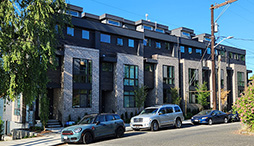
Updating Local Regulations to Encourage More Accessory Dwelling Units

Increasing the number of accessory dwelling units can build more housing stock in a community. What changes can agencies make to local zoning codes that might encourage this type of development among homeowners and developers?

Read more

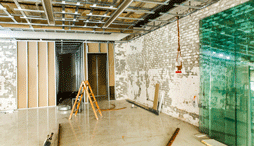
Indoor of a green building under construction

Office-to-Housing Conversion Adds Vibrancy to Downtowns

With downtowns still struggling to regain pre-COVID occupancy rates, some are wondering whether office-to-residential conversions can provide housing and bring people back. Can local governments remove some of the obstacles and adopt incentives that spur this type of development?

Read more

Using Unit Lot Subdivisions to Increase the Local Housing Supply

A 2023 state law requires unit lot subdivisions be incorporated into local short plat regulations.Cities and counties can increase the local housing by allowing landowners to divide a single parent parcel into unit lots that then can be sold to individual owners. 

Read more

Want More Affordable Housing? Reducing Infrastructure Costs Could Help

With affordable housing as a top priority for communities across the state, local governments can reduce costs related to development fees and reconsider infrastructure requirements to encourage the development of housing projects affordable to all income levels. 

Read more

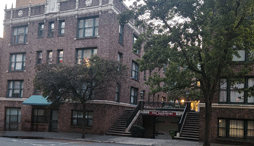
An older, multi-unit affordable housing building in Seattle

Protecting Your Community’s “Naturally Occurring Affordable Housing”

Within every community exists naturally occurring affordable housing, which can help community members who might otherwise be priced out of a hot local housing market. Local governments can help to preserve this housing through specialized policies and programs.

Read more

Six Housing and Planning Bills that Help Washington Communities Confront the Housing Crisis

Contains summaries of six bills related to co-living, parking standards, building conversions, middle housing, residential building and energy codes, and manufactured housing  passed during the most recent short Washington State legislative session.
Read more

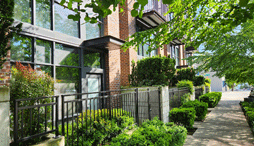
Modern, multi-unit residences on city street

The Importance of Housing to Downtown Revitalization

As part of a broader strategy to revitalize its downtown, a local government can play a significant role in promoting more housing options, making downtown an inviting place to work, play, and live.

Read more

An older man holds a sign in protest of plans for a new stadium

Dealing with Housing Displacement in Your Comprehensive Plan

Housing displacement brought about by gentrification can severely disrupt existing neighborhoods. Thanks to legislation in 2021, any GMA-planning local government updating a comprehensive plan must also address and include anti-displacement strategies to protect residents.

Read more

Wooden houses and heart on a blue background

What Factors Increase the Likelihood Unhoused People Will Seek Out Shelters? Part Two

In the second part of this blog series, we look at how local governments across Washington State are implementing best practices to reduce barriers that prevent unhoused people from accessing shelters, from funding diverse shelter types to developing regional service plans.

Read more

A woman holds a young child while both sit on a shelter bed

What Factors Increase the Likelihood Unhoused People Will Seek Out Shelters? Part One

How can shelter operators make their shelters more welcoming? What are some of the best practices shelters can follow to ensure that they don't enact barriers which prevent unhoused individuals from seeking help?

Read more

Active senior couple running outdoors in park along lake

Is Your Community Age Friendly?

What can planners do to make their communities more welcoming for residents as they age? Research shows that investments in transportation infrastructure, compact, mixed-use land use patterns that support walkability, and diverse housing options can help people age in place.

Read more

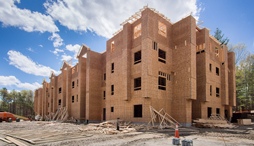
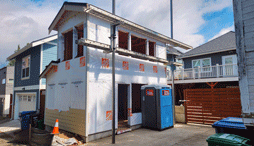
New multi-unit construction on empty lot

Using Surplus Public Property to Create New Affordable Housing

Does your agency own surplus property? RCW 39.33.015 allows public agencies to transfer, lease, or dispose of surplus real property to a public, private, or nongovernmental entity at low or no cost if it is for public benefit — and 'public benefit' includes affordable housing.

Read more

Two people ride bikes through a park

Recapping the November 2023 Local Ballot Measure Results

There were a 113 ballot measures before voters this past November, in an off-year election that drew record-low voter turnouts. How did that impact levy lid lifts requests, newly proposed districts, or citizen's initiatives? 

Read more

Two sets of hands nestled into one another holding an image of a house

How Local Governments Can Effectively Partner with Community Land Trusts

Local governments can tap into numerous financial, administrative, and related tools to help community land trusts kickstart affordable housing development efforts, sustain ongoing operations, or promote new development. 

Read more

An architectural model of a dense area of town

2023 Planning Legislation Impacting Local Governments

Common themes among these six new planning-related bills include streamlining local project review, decreasing the planning burden on smaller communities, incentivizing annexations, and increasing housing supply throughout the state.

Read more

Close up of a hand choosing a mini wooden house from among several models offered

Building Affordable Housing Through Community Land Trusts

Affordable housing options developed via community land trusts offer significant community development benefits, such as stabilizing hot real estate markets, ensuring long-term tenant stability, and providing investment opportunities to can build household wealth.

Read more

Major Changes to Washington's Housing Laws

Two of the more significant housing laws adopted this year are HB 1110, which requires certain cities to allow "middle housing" in residential zones, and HB 1337, which requires all GMA-planning cities and counties to allow accessory dwelling units (ADUs) in residential areas.

Read more

Infill Housing Approaches: Targeting the Missing Middle and Accessory Dwellings

As cities and counties look to expand housing supply in their communities, many are considering infill development, or developing vacant or under-utilized parcels within existing, developed areas. Missing middle housing and accessory dwelling units are two options to consider.

Read more

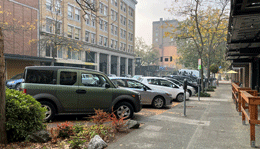
Parking Reform: Part 2

Increasingly, many local governments are shifting away from requiring too much off-street parking, citing social, economic, and/or environmental reasons. What tools can these communities use to better manage existing parking supply and to anticipate future needs?

Read more

Parking Reform Advances Climate Action, Housing Affordability, and More: Part 1

While parking is an important commodity for a community, too much parking can prevent the land from being used for another purpose, encourage excess car travel, and possibly make other forms of transportation, like biking or walking, both more complicated and dangerous.

Read more

LOAD MORE